Understanding Partial-Load Insurance for Small Businesses
In the fast-moving world of logistics and trade, not every shipment fills an entire truck or container. Many small businesses ship smaller loads — a few pallets of products or shared container space — to save on transportation costs.
This shipping method is known as partial-load or less-than-truckload (LTL) shipping. It’s affordable and efficient but also comes with unique risks. If your goods are damaged, stolen, or lost during transport, the impact on your small business can be huge.
That’s where partial-load insurance becomes essential. In this guide, we’ll explain what it is, how it works, and why it’s one of the smartest ways to protect your growing business from unexpected losses.
What Is Partial-Load Insurance?
Partial-load insurance, also called LTL cargo insurance or shared-load insurance, provides coverage for goods that do not fill a full truck or container.
When small or medium-sized businesses ship smaller quantities, their freight is combined with other companies’ cargo in one vehicle. While this reduces cost, it increases exposure to risks such as:
- Damage during loading and unloading
- Mix-ups with other shippers’ goods
- Theft or loss in transit
- Accidents caused by other freight
Partial-load insurance covers your portion of the cargo, ensuring that even if something goes wrong during the shared journey, you are financially protected.
How Partial-Load Shipping Works
Before diving deeper into insurance, it helps to understand how partial-load shipping operates.
- Consolidation – Several businesses ship goods together in one truck or container.
- Handling Points – The vehicle may make multiple stops for loading and unloading.
- Sorting & Transfer – Cargo might be moved between distribution hubs or warehouses.
- Final Delivery – Each shipper’s goods are separated and delivered to their destinations.
Because of these multiple handling points and shared space, the chance of damage or mix-ups is higher than in full-truckload (FTL) shipping. This makes insurance coverage even more important for small business owners.
Why Small Businesses Need Partial-Load Insurance
Small businesses often operate with tight budgets. A single damaged shipment could cause major financial strain — especially if the goods represent a large portion of monthly sales or working capital.
Here are some of the main reasons to consider partial-load insurance:
1. Protects Against Unexpected Losses
Accidents, weather, or mishandling can happen anytime. Without insurance, your business could face full replacement costs for damaged goods. Partial-load insurance ensures you recover your losses quickly and continue operations smoothly.
2. Covers Gaps in Carrier Liability
Many small businesses mistakenly believe their freight carrier automatically covers any losses. But that’s not entirely true.
Carriers provide limited liability, often calculated based on cargo weight — not value. For example, a carrier may only be liable for £2–£10 per kilogram of damaged goods.
If you ship electronics or machinery worth thousands, that coverage barely scratches the surface. Partial-load insurance fills that gap, covering your goods for their full declared value.
3. Safeguards Your Reputation
Late or damaged deliveries can hurt customer trust and business relationships. By insuring your shipments, you ensure fast recovery and replacement, helping maintain your reliability and reputation with clients.
4. Affordable and Flexible for Smaller Shipments
Unlike full-load insurance, which covers an entire truck or container, partial-load insurance allows you to insure only your portion. This makes it more affordable and practical for small and growing businesses.
5. Covers a Wide Range of Risks
Depending on the policy, partial-load insurance can protect your goods from:
- Physical damage (impact, vibration, dropping, etc.)
- Theft or pilferage
- Fire or explosion
- Weather events (floods, storms, lightning)
- Handling or transit errors
In short, it gives you peace of mind — knowing your products are protected no matter what happens during transit.
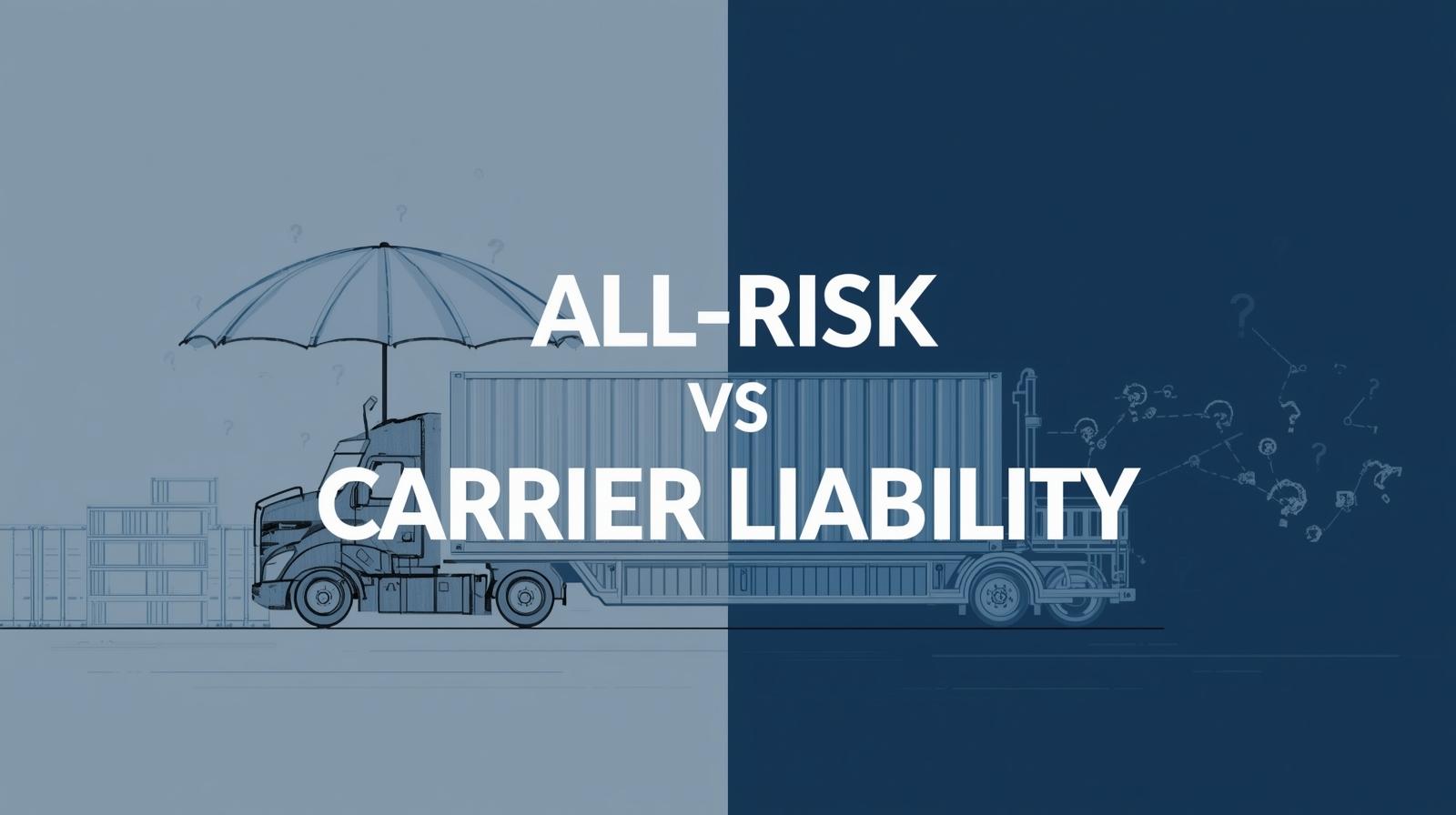
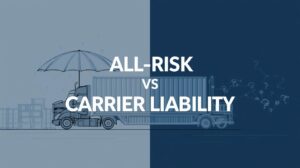
Partial-Load Insurance vs Carrier Liability
Let’s break down the key differences so you can see why standalone insurance is the better option:
| Feature | Carrier Liability | Partial-Load Insurance |
|---|---|---|
| Coverage Basis | Limited by weight or legal limits | Full declared cargo value |
| Fault Requirement | Must prove carrier negligence | Covers most loss or damage automatically |
| Risk Coverage | Limited | Broad (accidents, theft, weather, mishandling, etc.) |
| Claim Process | Often slow and complex | Fast, simple, handled by insurer |
| Cost | Usually included but limited | Small extra premium, flexible by load |
| Best For | Low-value goods | High-value or fragile shipments |
Even though carriers provide minimal protection, partial-load insurance offers true financial security that matches the value of your shipment.
Common Risks Faced by Partial-Load Shipments
Because LTL shipments are combined with others, several unique risks arise:
- Frequent Handling: More loading and unloading means more opportunities for damage.
- Cargo Shifting: Other loads in the same truck may move, crushing or damaging your goods.
- Misdelivery or Loss: Items may be misplaced among mixed cargo.
- Theft: Shared transport means more stops and higher exposure to theft or tampering.
- Environmental Damage: Moisture, heat, or cold can affect goods if not handled properly.
These risks can’t always be prevented, but they can be insured against — ensuring you never face total loss.
How Partial-Load Insurance Works
The process is simple and designed for flexibility. Here’s how it typically works:
- Get a Quote: You provide details about your cargo — type, value, route, and transport mode.
- Select Coverage: Choose between all-risk or named-peril coverage based on your budget.
- Pay a Small Premium: Usually between 0.1% and 0.6% of the declared value.
- Shipment Is Covered: Your goods are insured from pickup to delivery.
- In Case of Damage: You submit photos, documents, and a claim form.
- Quick Settlement: Most insurers process claims faster than carriers, often within days or weeks.
It’s an easy, affordable way to keep your small business safe from expensive surprises.
Example Scenario
Let’s say you run a small online furniture business in Manchester. You’re shipping £10,000 worth of products through an LTL carrier.
During transit, another company’s heavy machinery shifts and damages your shipment.
- Without Insurance: You could receive just £500–£700 based on carrier liability weight limits.
- With Partial-Load Insurance: You get the full £10,000 reimbursed (minus a small deductible).
That’s a huge difference — and it can mean the difference between a small setback and a serious financial loss.
Tips for Choosing the Right Partial-Load Insurance
Here are key things to look for when buying coverage:
- All-Risk Coverage: Choose broad protection that covers most damage or loss scenarios.
- Reputable Insurer: Work with providers experienced in freight and logistics insurance.
- Understand Exclusions: Read the fine print carefully to know what’s not covered (like poor packaging or intentional damage).
- Declare the Correct Value: Always insure your goods for their full replacement or sale value.
- Keep Documentation: Save bills of lading, invoices, and inspection reports for easier claims.
- Ask About Door-to-Door Coverage: Ensure protection applies from pickup to final delivery.
Best Practices to Minimize Risk Before Shipping
Even with insurance, prevention is key. Follow these steps to reduce the chance of claims:
✅ Use strong, quality packaging suited for your cargo type.
✅ Label fragile or hazardous goods clearly.
✅ Work with trusted freight partners who maintain safety standards.
✅ Take photos before shipping for documentation.
✅ Track shipments in real time using GPS or barcode systems.
These practices complement your insurance and demonstrate professionalism to both clients and insurers.
Benefits of Partial-Load Insurance for Small Businesses
To summarize, here’s what small business owners gain by securing partial-load insurance:
- Financial Protection: Full reimbursement for lost or damaged goods.
- Business Continuity: No disruptions from unexpected losses.
- Customer Confidence: Clients trust you more when you’re insured.
- Affordable Premiums: Pay only for the space you use.
- Fast Claim Processing: Smooth recovery without complex legal procedures.
It’s a small investment that can safeguard your brand and bottom line.
Final Thoughts
As a small business owner, you work hard to grow your brand, build relationships, and manage costs. But one uninsured shipment gone wrong can undo months of progress.
Partial-load insurance offers a simple, cost-effective way to protect your products, profits, and peace of mind. It ensures that, no matter how big or small your shipment, your business is covered against the unexpected.
In logistics, you can’t control every risk — but you can control how prepared you are. With partial-load insurance, your small business is not just moving forward — it’s moving forward safely.

Post Comment