Common Cargo Claims and How to Avoid Them
When shipping goods locally or internationally, cargo damage and loss are among the biggest risks for logistics companies, importers, and exporters. Every year, businesses around the world face millions in cargo claims due to accidents, poor handling, theft, and other preventable issues.
The good news? Most of these claims can be avoided with the right practices and protection in place.
In this guide, we’ll explore the most common types of cargo claims, their causes, and — most importantly — how you can prevent them to save time, money, and stress.
What Are Cargo Claims?
A cargo claim is a formal demand for compensation when goods are lost, damaged, or delayed during transportation. These claims can be made against:
- The carrier (shipping line, airline, trucking company, etc.)
- The freight forwarder
- The insurance provider (if you have cargo insurance)
The purpose of a cargo claim is to recover the financial loss suffered when the cargo doesn’t arrive as expected.
However, the success of a claim depends on documentation, responsibility, and — most importantly — whether the loss could have been avoided in the first place.
Most Common Types of Cargo Claims
Understanding what typically goes wrong is the first step to avoiding costly issues. Below are the top cargo claims faced by shippers and logistics businesses worldwide.
1. Physical Damage Claims
Physical damage is by far the most common cargo claim. It happens when goods are:
- Crushed, dented, or broken during handling
- Damaged by shifting inside containers or trucks
- Exposed to moisture, vibration, or impact
This type of damage often occurs due to poor packaging, loading, or securing of cargo.
How to Avoid It:
- Use high-quality packaging materials designed for your cargo type.
- Secure goods properly using straps, pallets, and dunnage.
- Conduct regular inspections before and after loading.
- Train staff on safe handling and stacking techniques.
- Choose reliable carriers with modern equipment and good safety records.
2. Shortage or Missing Cargo Claims
A shortage claim arises when part of the shipment goes missing — for example, one or more boxes are not delivered. This may result from:
- Theft during transit or at warehouses
- Loading or unloading errors
- Poor documentation or mislabeling
Even minor discrepancies can cause big problems, especially for large-volume shipments.
How to Avoid It:
- Implement barcode or RFID tracking systems for all cargo.
- Double-check shipping manifests before dispatch.
- Seal containers properly and record seal numbers.
- Work with carriers who have secure facilities and anti-theft measures.
3. Theft and Pilferage Claims
Cargo theft is a major global issue. According to the Transported Asset Protection Association (TAPA), cargo theft causes billions in annual losses.
Theft can occur anywhere — ports, rest areas, or even during last-mile delivery. Some criminals target high-value items like electronics, pharmaceuticals, and fashion goods.
How to Avoid It:
- Use GPS tracking and real-time monitoring for high-value loads.
- Avoid leaving vehicles unattended in unsecure areas.
- Use tamper-proof seals and locks on containers.
- Partner with carriers and warehouses that follow strict security protocols.
- Schedule transport routes and delivery times strategically to minimize risk.
4. Contamination and Spoilage Claims
This claim is common in industries dealing with food, chemicals, and pharmaceuticals. Contamination occurs when goods are exposed to:
- Hazardous substances
- Improper temperature or humidity
- Leakage from other cargo
Spoilage claims often result when perishable items are not kept at the correct temperature during transit.
How to Avoid It:
- Use temperature-controlled transport for perishable cargo.
- Inspect containers for cleanliness before loading.
- Separate hazardous and non-hazardous cargo.
- Monitor environmental conditions (temperature, humidity, etc.) using sensors.
5. Water Damage Claims
Moisture and seawater can cause severe damage, especially in sea freight shipments. Water can enter containers through:
- Leaking roofs or doors
- Condensation (known as “container rain”)
- Flooding at ports or warehouses
How to Avoid It:
- Use waterproof packaging and plastic wrapping for sensitive goods.
- Install desiccant bags to absorb moisture inside containers.
- Inspect containers for rust, holes, or cracks before loading.
- Avoid leaving cargo exposed during loading or unloading in rain.
6. Delay Claims
Sometimes goods arrive late — leading to lost sales, contract penalties, or production stoppages. Delays can result from:
- Weather conditions
- Customs clearance issues
- Mechanical breakdowns
- Strikes or port congestion
While delay claims are harder to prove, they can still cause significant business disruption.
How to Avoid It:
- Plan shipments with time buffers for unexpected delays.
- Use reliable carriers with strong delivery records.
- Ensure all documentation (invoices, bills of lading, permits) is correct.
- Communicate regularly with your logistics provider for real-time updates.
7. Improper Handling Claims
Improper handling can lead to breakage, leakage, or scratches, especially with fragile or heavy machinery.
This often happens when untrained workers handle complex cargo without following proper procedures.
How to Avoid It:
- Clearly label cargo with handling instructions (“This Side Up,” “Fragile,” etc.).
- Train handling staff in proper loading and unloading practices.
- Supervise critical cargo transfers personally or through a trusted agent.
8. Documentation and Misdelivery Claims
A surprising number of cargo claims arise from paperwork errors or misdelivery — when goods are delivered to the wrong recipient or location.
Incorrect shipping labels, missing documents, or customs declaration mistakes can cause confusion, delays, and financial loss.
How to Avoid It:
- Double-check all documentation before shipment (bill of lading, invoice, packing list, etc.).
- Verify consignee details carefully.
- Use digital systems to track and share documents securely.
- Ensure customs agents and carriers have accurate and complete data.
Why Cargo Claims Get Denied
Even when damage occurs, not all claims are accepted. Common reasons for rejection include:
- Inadequate or poor packaging
- Failure to notify the carrier within the claim time limit
- Missing or incomplete documentation
- Exclusions under the carrier’s liability rules
- Damage caused by inherent defects in the goods
This is why proper preparation and insurance are crucial to protect your business.
The Role of Cargo Insurance in Reducing Risk
While preventive measures are important, cargo insurance remains the most reliable way to protect your financial interests.
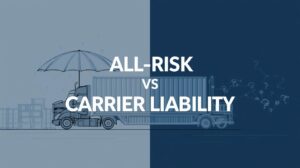
There are two main types of coverage:
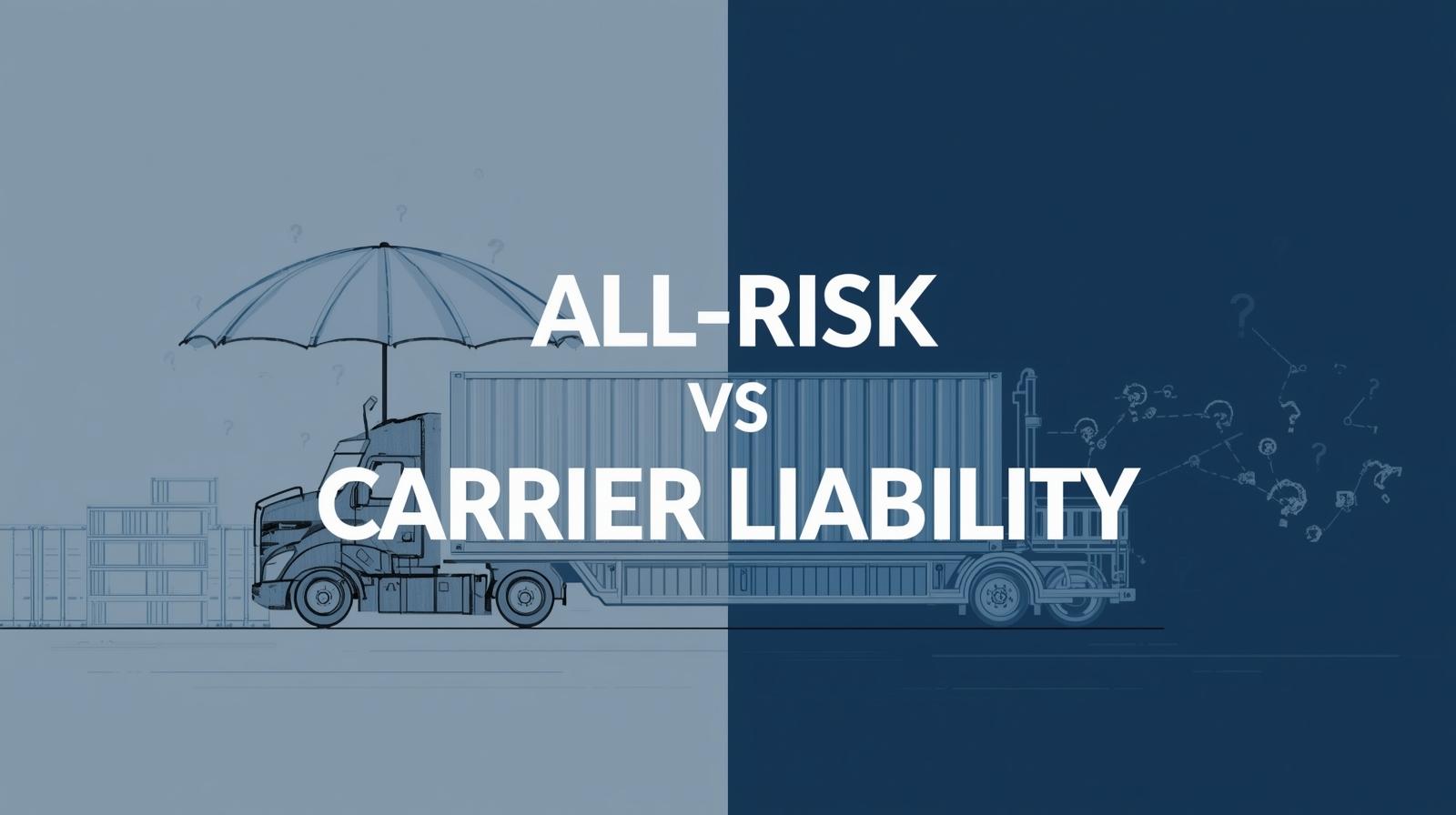
- Carrier Liability – Offers limited compensation based on weight or legal limits.
- All-Risk Cargo Insurance – Covers most physical losses or damages, regardless of fault.
With insurance in place, you can file claims directly with your insurer instead of relying on limited carrier liability. This ensures faster payouts and full-value protection for your goods.
Best Practices to Prevent Cargo Claims
Here’s a quick checklist to minimize your cargo risk:
✅ Use strong, quality packaging materials.
✅ Label cargo clearly with handling instructions.
✅ Take photos before and after loading.
✅ Keep all shipping documents organized and accurate.
✅ Work with reliable, insured logistics partners.
✅ Use tracking and monitoring technology for visibility.
✅ Purchase comprehensive all-risk cargo insurance for peace of mind.
By combining prevention and protection, you can significantly reduce the chances of cargo loss, damage, or disputes.
Final Thoughts
Cargo claims are part of the logistics world — but they don’t have to be your reality. With the right precautions, training, and insurance coverage, you can avoid most common cargo problems before they happen.
Remember: a small investment in packaging, tracking, and insurance can save your business thousands in losses and legal headaches later.
Protect your shipments, your clients, and your reputation by staying one step ahead of the risks.



Post Comment