How Freight Load Insurance Protects UK Importers
Importing goods into the United Kingdom can be a great way to expand your business, lower supply costs, and reach new markets. But it also comes with risks. From rough seas to handling mistakes, cargo theft to delays, there are many things that can go wrong between your supplier’s warehouse and your own.
That’s where freight load insurance comes in. It’s one of the most effective ways to protect your business from financial loss and to keep your imports safe from door to door.
In this article, we’ll explore how freight load insurance protects UK importers, why it’s so important, and how to choose the right policy for your business.
What Is Freight Load Insurance?
Freight load insurance, sometimes called cargo insurance or marine insurance, covers your goods against loss or damage while they are being transported — by sea, air, road, or rail.
For UK importers, this means your cargo is protected from the moment it leaves the seller’s location overseas until it safely arrives at your warehouse or customer.
A typical policy can cover:
- Accidents and collisions
- Fire and explosion
- Theft and piracy
- Natural disasters (like storms or floods)
- Mishandling or loading errors
- Container loss at sea
Depending on the coverage type, it can also include general average contributions and delays caused by covered events.
Why UK Importers Need Freight Load Insurance
Importing into the UK often involves multiple shipping stages — overseas carriers, ports, customs clearance, and local delivery. Each stage adds potential risk.
While international shipping companies usually have some liability cover, it is limited and rarely pays the full value of your goods. For example, under international conventions, carriers may only pay compensation based on the weight of your cargo, not its actual worth.
Without proper insurance, importers could face thousands of pounds in unrecoverable losses.
Key Ways Freight Load Insurance Protects UK Importers
1. Financial Protection Against Loss or Damage
The most direct benefit is financial. If your goods are lost, stolen, or damaged in transit, freight insurance compensates you for the insured value.
For example, imagine importing £80,000 worth of electronics from China. If the container is damaged during unloading, the carrier’s liability might only cover a few hundred pounds. With freight load insurance, you could recover the full £80,000 (minus any deductible).
This financial shield helps keep your business running even when the unexpected happens.
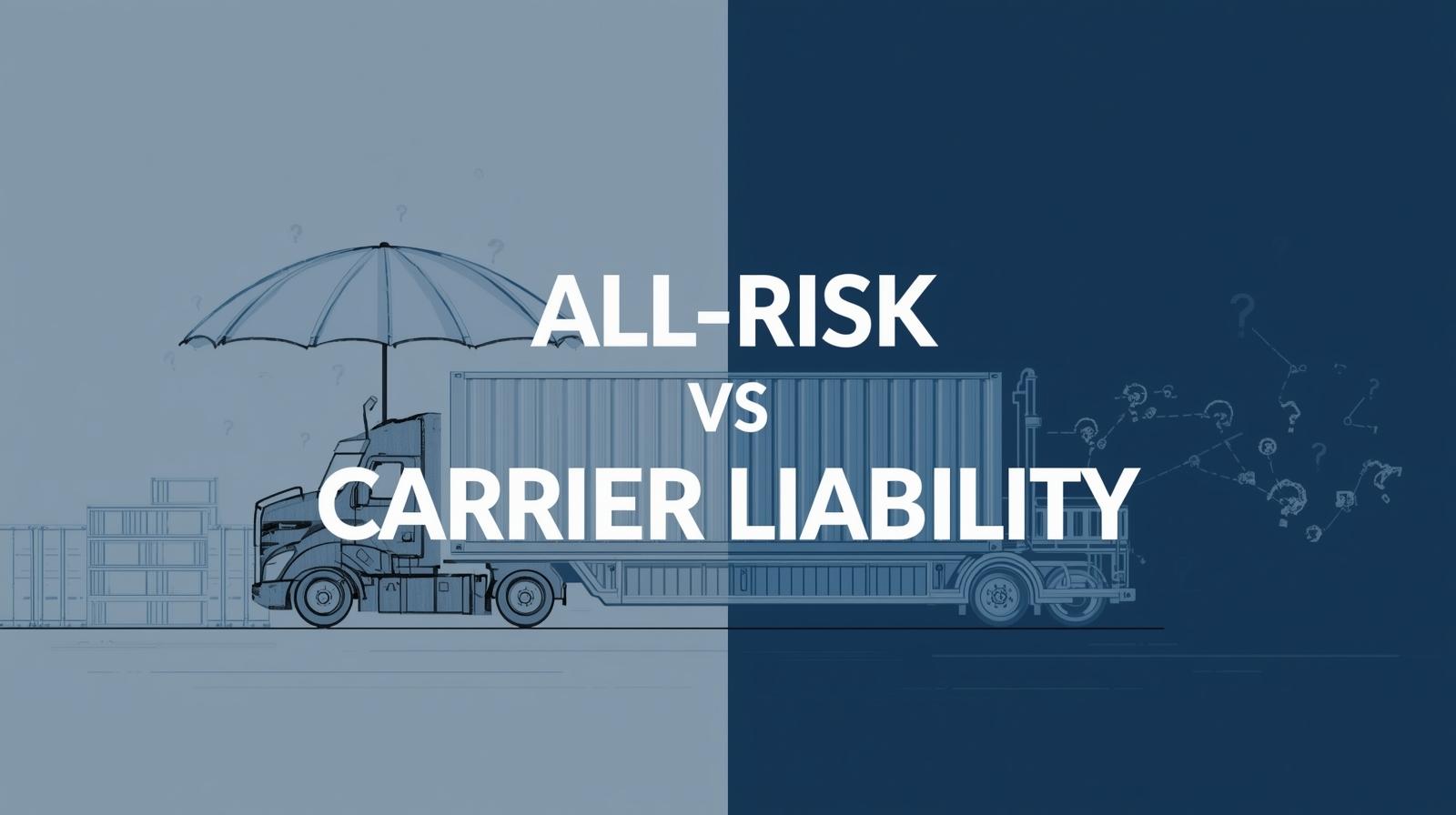
2. Coverage Beyond the Carrier’s Liability
Many UK importers assume their goods are already covered under the carrier’s policy — but that’s often a costly misunderstanding.
Carriers’ legal liability is usually limited by international conventions such as:
- The Hague-Visby Rules (for sea freight)
- The Warsaw or Montreal Conventions (for air freight)
- The CMR Convention (for road freight)
These rules cap the payout per kilogram or per package, not by cargo value. That means high-value shipments — like machinery, electronics, or luxury goods — could be severely under-insured.
Freight load insurance bridges that gap, giving you full protection for the actual value of your shipment.
3. Protection Against Common Shipping Risks
Even with modern tracking systems, global trade still faces several risks that are out of your control.
Freight load insurance protects against:
- Weather damage – UK importers often receive goods shipped through rough North Atlantic or Channel routes. Strong storms can cause cargo damage or total loss.
- Theft and piracy – Cargo theft remains a growing concern at ports and rest areas.
- Human error – Mis-handling during loading or unloading can easily ruin fragile goods.
- Container loss – Thousands of containers fall overboard globally every year due to rough seas.
Having insurance ensures that, no matter what happens, your cargo’s value is protected.
4. Support During Customs and Legal Disputes
When an insured loss occurs, documentation can be complex — especially during UK customs clearance. Freight insurance companies assist you with claims paperwork, customs documentation, and loss assessment.
This support saves time and reduces the stress of navigating insurance and shipping laws. It also ensures you remain compliant with HMRC and trade regulations.
5. Peace of Mind and Better Business Planning
Knowing that every shipment is protected allows importers to plan confidently and manage operations smoothly.
You can focus on negotiating better supplier contracts, improving logistics, and scaling your business — instead of worrying about accidents or losses on the high seas.
Insurance turns uncertainty into predictable, manageable risk, which is essential for long-term growth.
6. Enhanced Credibility With Suppliers and Clients
Many overseas suppliers prefer working with importers who have freight insurance, as it demonstrates professionalism and reliability.
Likewise, UK retailers or customers are more confident when they know your business takes product safety seriously. It strengthens your reputation and credibility in the supply chain.
7. Coverage for Door-to-Door Deliveries
Today’s logistics often combine several transport modes — for example, a container might move by sea from India to Southampton, then by truck to Birmingham.
Comprehensive freight insurance can provide door-to-door coverage, protecting the shipment across all transport modes. That means you don’t need separate policies for each leg of the journey.
Types of Freight Load Insurance Policies
When buying insurance, you’ll generally choose between two main types:
1. All-Risk Coverage
This is the broadest and most recommended type of coverage. It protects against all physical loss or damage unless specifically excluded.
Typical exclusions might include:
- War or civil unrest
- Poor packaging
- Deliberate misconduct
- Delays not caused by covered events
2. Named-Peril Coverage
This type only covers risks specifically listed in the policy — for example, fire, theft, or collision. It’s cheaper but offers less protection.
Most UK importers handling valuable or fragile goods prefer all-risk policies, as they provide complete peace of mind.
How to Choose the Right Freight Load Insurance
Here are key steps to select the best cover for your business:
- Assess your shipment value – Always insure goods for their full replacement value.
- Consider your transport routes – Longer or riskier routes may need wider coverage.
- Check policy exclusions – Know exactly what’s not covered.
- Compare insurers – Choose a reputable provider with strong claims support and global experience.
- Review your Incoterms – Make sure you understand whether the buyer or seller is responsible for insurance under your shipping terms (e.g., CIF, FOB, DDP).
Getting advice from a marine insurance broker can also help tailor coverage to your specific trade routes and product type.
Cost of Freight Load Insurance in the UK
Freight insurance costs depend on several factors:
- Cargo type and value
- Route and destination
- Mode of transport
- Type of coverage (all-risk vs. named-peril)
- Claim history
Typically, premiums range from 0.1% to 0.6% of the insured value. That means covering a £100,000 shipment could cost as little as £100–£600 — a small price compared to potential total loss.
Final Thoughts
For UK importers, freight load insurance is not just an optional extra — it’s a vital business safeguard. It protects your goods, supports compliance, and provides financial stability in an unpredictable world.
From storms and accidents to theft and handling damage, the risks of global trade are real. Having the right insurance policy ensures you never face them alone.
So, if you import goods into the United Kingdom, make sure freight load insurance is part of every shipment. It’s the smart, professional, and secure way to protect your investment and keep your supply chain running smoothly.

Post Comment